- TRAVEL GUIDES
arrow_drop_down
- Canada
- United States
- Sunny Destinations
arrow_drop_down
- VIEW ALL
- BUCKET LIST
- ABOUT
- CONTACT
Best Time to Visit Barcelona (Month By Month)
- Barcelona
- Spain
-
Mar 01
- Share post
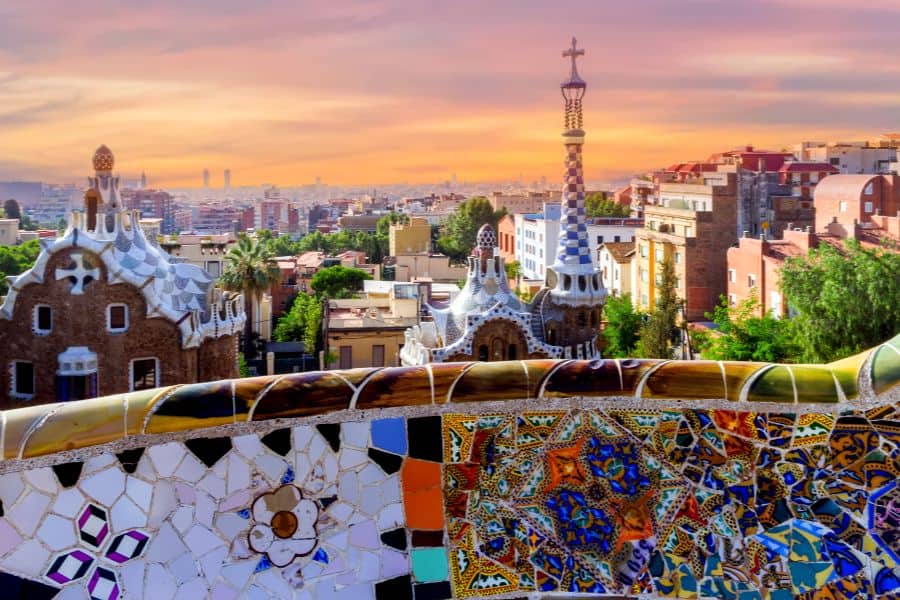
Barcelona keeps things interesting no matter when you show up, but picking the right time can be the difference between elbowing your way through sweaty crowds and having La Sagrada Familia almost to yourself.
Each season brings a different vibe; here’s a complete month-to-month breakdown on the best time to visit Barcelona.
When Is The Best Time To Visit Barcelona?
May through June stands out as the ideal window for a trip to Barcelona. Temperatures stay comfortably in the low-to-mid 70s (21-24°C) in May.
June is warmer, usually closer to the upper 70s°F (26°C). Festivals are everywhere, and the beaches are just right for swimming before the sticky summer humidity kicks in.
Want to dodge long lines at the big attractions? Try March to May or September to November. Winter is a good call for budget travelers, though you can skip packing a swimsuit; it’s just too chilly for the beach.
January
January lands in Barcelona with cool weather, usually between 45-55°F (7-13°C). The city feels calm and a bit empty after the holidays, which is refreshing. If you’re watching your budget, winter is a sweet spot. Hotels slash their prices, and flight deals are everywhere.
You can see Park Güell and La Sagrada Familia, not just the backs of other tourists’ heads. Museums and restaurants feel welcoming, and you won’t be stuck in endless lines.
Bring layers; the beach won’t tempt you yet, but meandering down Las Ramblas without a crowd has its own charm.
February
February stays on the chilly side, with highs around 55-60°F (13-16°C) and the occasional rain shower. For those who like their city breaks crowd-free, it’s a pretty great time to be in Europe.
Barcelona’s museums — Picasso Museum and MNAC — are much quieter now. The weather works in your favor, since you can lose hours inside galleries and never feel like you’re missing sunshine.
Hotels keep their prices low, and snagging a table at a good restaurant is easy. Just toss a rain jacket in your bag and wander the Gothic Quarter or check out the indoor markets at your own pace.
March
In March, temperatures hover around 55-63°F (13-17°C), and you can feel spring stretching its legs. Flowers start popping up in Park Güell and Ciutadella Park, and wandering the Gothic Quarter feels just right.
Cultural events start picking up, including some classic Catalan celebrations. Shorter lines at La Sagrada Familia and more elbow room at tapas bars make city life feel less rushed.
Hotel rates are still on the reasonable side, so your budget goes a bit further as you explore this milder season.
April
April is when Barcelona starts warming up. Temperatures hang around 60-68°F (16-20°C), which means you can walk for hours without breaking a sweat or shivering in the shade.
Parks and gardens are at their best. Parc de la Ciutadella and the Botanical Gardens burst with color, perfect for a picnic or a lazy morning jog.
Local festivals start up before the summer rush, and you’ll spot more locals than tourists at some of these events. It’s a good month for catching the city at its most authentic.
May
May is that sweet spot when Barcelona’s weather seems to get everything right. Temperatures settle in the low-to-mid 70s (21-24°C), so you have ideal conditions for both city strolls and beach afternoons.
Barcelona in May is all about mild days, festivals kicking off, and the city looking extra green after spring showers. The beaches are finally warm enough for swimming, but the heavy humidity hasn’t landed yet.
Outdoor events and celebrations are everywhere as summer approaches. If you want good weather without peak crowds, May is a solid bet. Pack light layers and sunscreen — between Gaudí’s wild buildings and Barceloneta Beach, you’ll be outside a lot.
June
June is when summer kicks in. Temperatures usually hit 75-80°F (24-27°C), and the skies stay clear. Beach days at Barceloneta or Bogatell are irresistible at this point.
The city lights up for Sant Joan, with bonfires, fireworks, and all-night beach parties. Locals and visitors mingle until sunrise — it’s pretty wild if you’re into that scene.
Crowds are still manageable compared to July and August, so you can see Gaudí’s work and wander Las Ramblas without feeling totally overwhelmed. The weather alone is reason enough to book a ticket.
July
July gets hot — average temperatures hit 28.2°C (about 83°F), and rain is pretty rare. It’s prime beach time at Barceloneta, and the sun means business.
The city is buzzing; tourists pour in, lines get long at La Sagrada Familia and Park Güell, and prices jump for hotels and flights. Book ahead if you want to avoid last-minute headaches.
Nightlife is at its peak. Beach clubs stay open late, street performers take over Las Ramblas, and outdoor concerts seem to pop up everywhere. Just don’t forget the sunscreen — Barcelona’s summer sun doesn’t mess around.
August
August is a scorcher. Temperatures climb, the city fills up, and everyone seems to be at the beach. Barceloneta and the other coastal spots are packed most days.
The beaches are the place to be for that last blast of summer. Festivals, outdoor concerts, and late-night parties take over. Rooftop bars and beach clubs stay open until sunrise, and the city doesn’t seem to sleep.
It’s crowded — attractions like La Sagrada Familia and Park Güell are swamped, and some smaller shops and restaurants close as locals escape the heat. If you can handle the crowds and love a party, August is a wild ride.
September
September is when Barcelona takes a breath of air. Temperatures drop back to 70-80°F (21-27°C), and walking around Gòtic or Park Güell doesn’t feel like a workout anymore. The crowds thin out, especially on La Rambla.
Beaches are still inviting for a swim, but what really stands out is the outdoor dining. Restaurants set up on terraces for the cooler evenings, and you can usually get a table without much planning. Hotels start lowering prices, which is always a bonus.
View this post on InstagramA post shared by Barcelona Spain 🇪🇸 Travel | Hotels | Food | Tips (@barcelona.travelers)
October
October brings a relaxed, mellow vibe to Barcelona. With most tourists gone, the city feels more like itself again.
The weather is still pleasant enough to explore museums, wander the Gothic Quarter, or sit outside at a café. Gaudí’s buildings are easier to see, and you’re not stuck in endless queues.
Wine harvest season kicks off nearby, so local festivals offer a chance to taste new vintages and regional food. It’s a great month to slow down and enjoy Barcelona’s food and culture without the rush.
November
November cools things down and brings a quieter, more local feel to Barcelona. Budget travelers can score deals as hotel and flight prices drop. Daytime temperatures hover around 60°F (about 16°C), and rain is more common.
Major sights like La Sagrada Familia and Park Güell are blissfully uncrowded. Museums and restaurants feel more relaxed, and the streets belong to locals again. There’s something special about discovering neighborhood cafés without the summer buzz.
December
Barcelona cools off in December, with average daytime temperatures around 15°C (59°F) and nights dipping to about 9°C (48°F). A jacket’s a good idea, but it’s rarely freezing.
Cooler air makes wandering the city, especially spots like the Gothic Quarter, a lot more pleasant than melting in the summer heat. Rain only pops up for about a week, so most of the time you can leave the umbrella at home.
Barcelona goes all out with holiday decorations, so the city feels extra cheerful. Fewer tourists means you can breeze through places that are usually packed. Checking out Sagrada Familia or ambling along Las Ramblas feels a lot less hectic.